

 By
By A solar panel battery bank offers homeowners the promise of energy independence. The combination of solar panels and batteries aims to harness the sun’s power and store it for use when sunlight isn’t available. With solar technology advancing rapidly, products like the Anker SOLIX PS400 Portable Solar Panel boast up to 23% conversion efficiency and adaptability with angles for optimal sun exposure, raising the question: can they power a home fully? This blog explores what it means to fully power a home with solar energy, the mechanics behind solar panel battery banks, and the factors that impact their real-world performance.
What Does It Mean to Fully Power a Home?
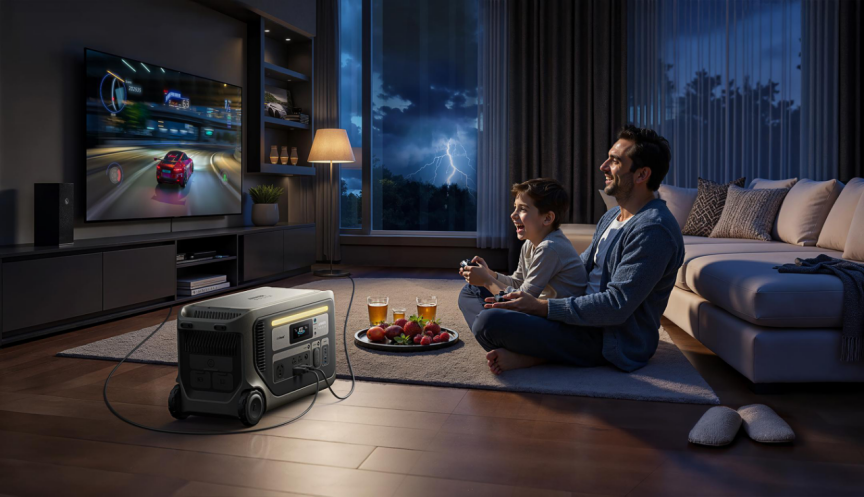
Fully powering a home with a solar panel battery bank means meeting all household energy needs exclusively with solar electricity. A typical home consumes energy across various areas—lighting, heating, cooling, and appliances, all of which must function consistently. An ideal solar setup delivers uninterrupted flow, covering peak usage times and catering to fluctuations in demand. To achieve this, the system requires not just generation capability but also adequate storage and discharge options. Given varying energy requirements, larger homes may pose challenges in maintaining 100% solar reliance. Understanding individual energy consumption, solar installation capabilities, and failsafes like backup systems helps homeowners assess if complete solar dependency is feasible for them.
How a Solar Panel Battery Bank Powers a Home?
Solar Panels Generating Electricity During the Day
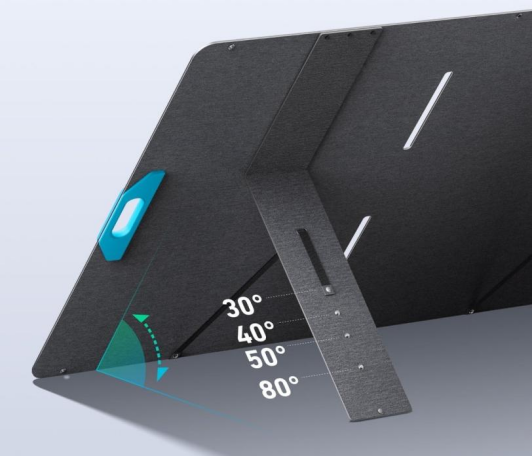
During daylight, solar panels work actively to convert sunlight into electrical energy. Panels like the Anker SOLIX PS400 optimize conversion with up to 23% efficiency, thanks to their powerful monocrystalline solar cells. These panels can be adjusted to angles like 30°, 40°, 50°, or 80°, ensuring maximum sunlight absorption regardless of the time of day or season. This approach not only enhances electricity generation but also ensures faster charging times—at 1.5 times the regular rate, as per product specifications. Generating excess energy is crucial, allowing for uninterrupted power even when household consumption peaks during daytime activities.
Battery Storage and Nighttime Power Supply
When the sun sets, reliance on stored solar energy becomes paramount. A solar panel battery bank is designed to store electricity generated during the day for nighttime use. Adequate battery storage ensures that essential household devices, such as refrigerators, lighting, and heating, remain operational post-sunset. The system efficiently manages the discharge of energy, seamlessly transitioning from solar generation to battery supply, safeguarding against disruptions. Products with larger capacity batteries offer longer-lasting power, mitigating the risk of depletion. Adaptability in power management during off-peak hours optimizes performance, ensuring a home remains fully powered without reliance on conventional electricity.
Key Factors That Decide If a Home Can Run Fully on Solar
Solar Panel Capacity and Sunlight Availability
The ability to fully power a home with solar energy largely depends on the capacity of the solar panels and the availability of sunlight. High-capacity panels, like the Anker SOLIX PS400, deliver substantial power outputs thanks to high conversion efficiencies. Consistent exposure to sunlight is necessary, and adjusting panels to optimal angles—such as 30°, 40°, 50°, or 80°—maximizes energy absorption. Homes located in regions with abundant sunlight naturally have an advantage. Conversely, areas with reduced sunlight, due to frequent cloudy conditions or shorter daylight hours in winter, require careful planning to meet energy demands.
Battery Bank Size and Usable Storage
The battery bank’s size dictates how much energy can be stored for nighttime use and cloudy days. Larger battery banks offer increased storage capacity, which is vital for maintaining a fully powered home during periods without active solar generation. The usable storage determines how effectively a solar setup can bridge energy gaps. High-quality batteries discharge energy efficiently, reducing waste and enhancing overall system performance. Investing in an appropriately-sized battery bank, tailored to specific domestic energy requirements, complements solar panel output, enabling sustainable energy independence, whether through a fixed system or a modular solar power bank solution.
Power Output Limits and Appliance Load
Power output limits are crucial in assessing a solar panel battery bank’s ability to power a home fully. Each household has unique energy needs based on appliance usage and load. High-demand appliances such as air conditioners, water heaters, and electric ovens require robust power output. Ensuring that the solar setup can handle peak loads without compromising efficiency is essential. Energy audits help identify consumption patterns, allowing homeowners to make informed decisions on installing suitable systems. Effective load management—and potentially reducing non-essential usage during peak times—optimizes solar energy utilization.
Conclusion
A solar panel battery bank can potentially allow a home to run entirely on solar energy, but success depends on several key factors. The capacity of solar panels like the Anker SOLIX PS400, their installation angles for sunlight optimization, and the size of the battery bank all play crucial roles. Additionally, the household’s energy consumption patterns and appliance load determine how fully solar energy can be relied upon. Homeowners aiming for complete solar dependency must evaluate these aspects carefully, adapting their system to ensure sustainable power and independence. As technology evolves, more households can achieve this eco-friendly goal.