

 By
By Introduction
Experiencing a silent subwoofer while your amplifier is fully operational can be perplexing and vexatious for any audio enthusiast. This common issue can severely alter the auditory quality you’re accustomed to enjoying. Fortunately, resolving this problem is within reach by systematically analyzing the components involved. This guide will provide you with a comprehensive approach to identifying and rectifying the issue, from pinpointing common causes to implementing long-term preventive strategies. Dive in to restore the immersive sound experience you’ve been missing.
Understanding Your Subwoofer and Amplifier
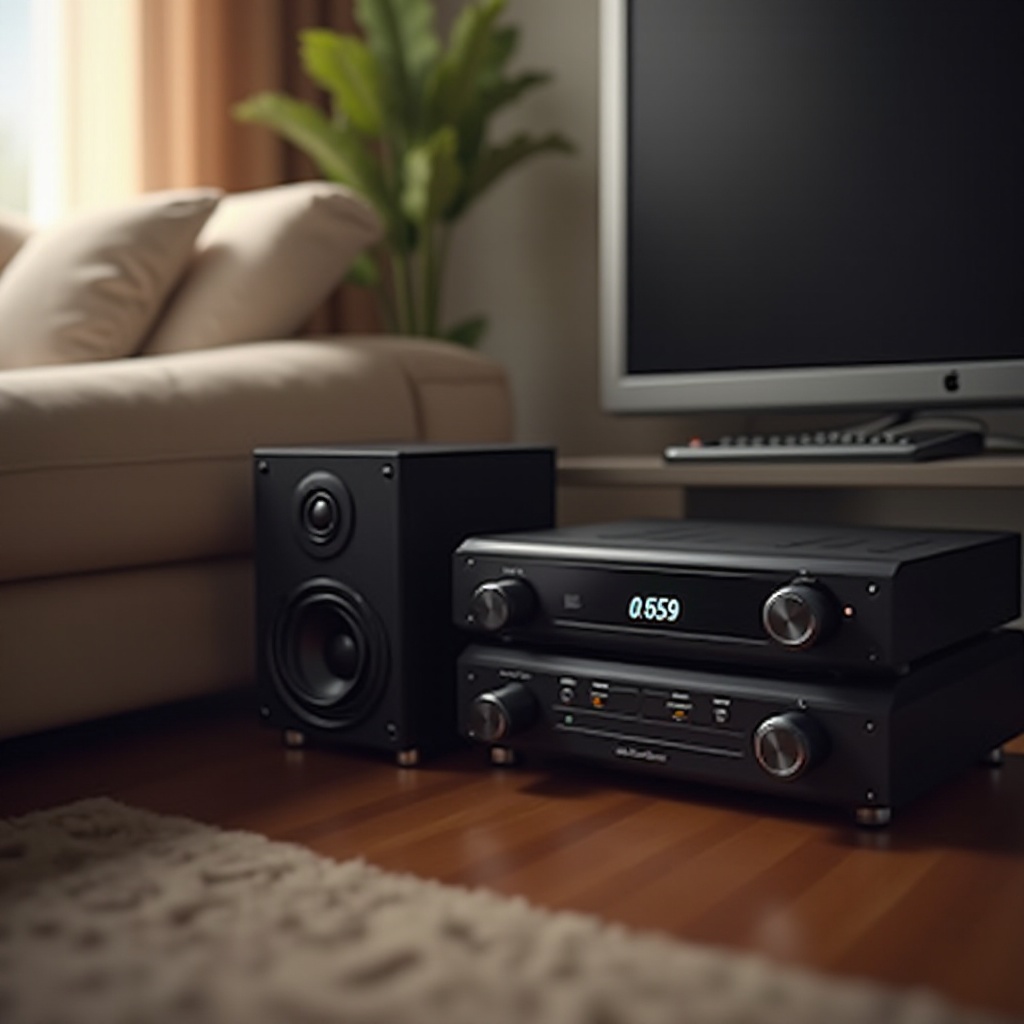
The dynamic duo of subwoofers and amplifiers enlivens your audio setup by delivering rich, deep sounds and power-boosted signals. The subwoofer’s role in reproducing low-frequency sound waves complements the amplifier’s job of enhancing signal strength. This symbiotic relationship is crucial for optimal sound output. Issues arise when this balance is interrupted, such as when the subwoofer fails despite the amplifier being operational. Gaining clarity on how these components interact is key to effectively tackling malfunctions and optimizing your overall listening experience.
Common Causes of Subwoofer Malfunction
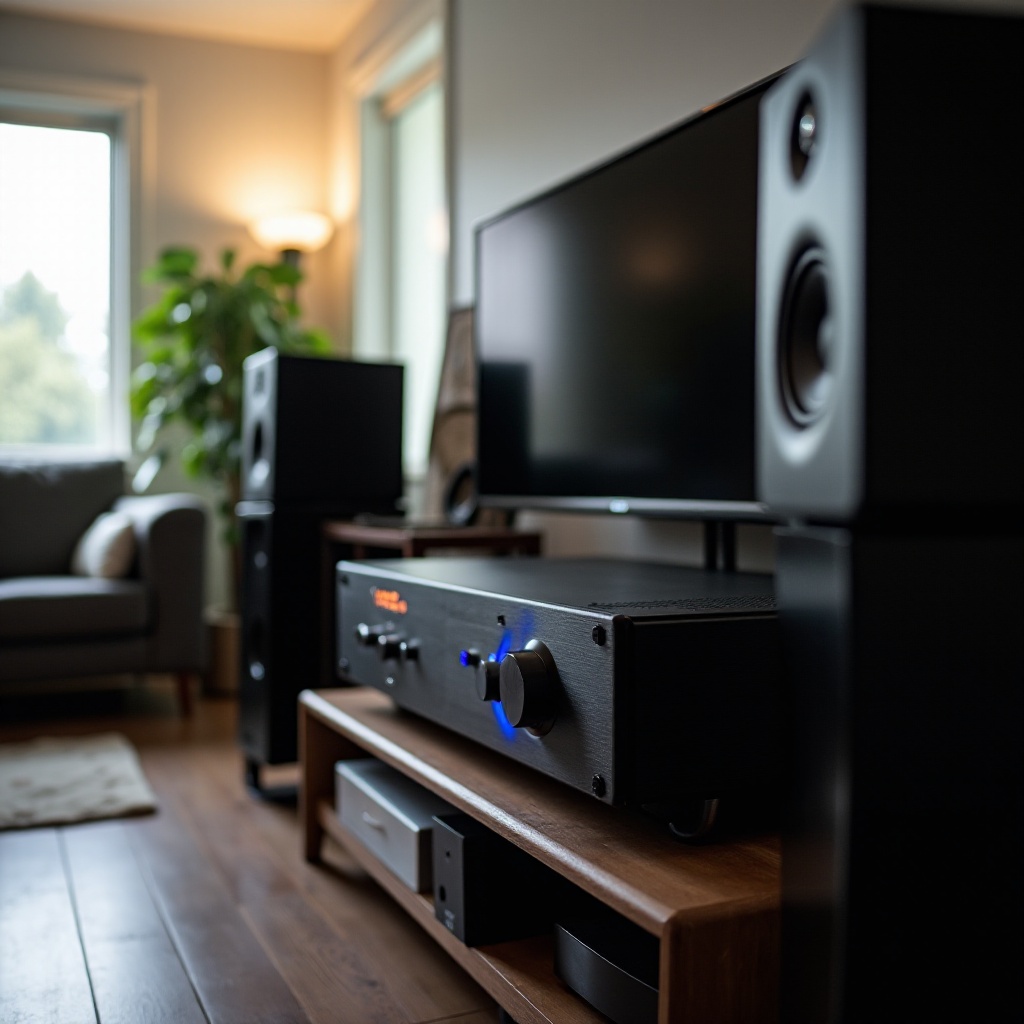
Several factors could be undermining your subwoofer’s performance. Here are essential points to consider:
-
Loose Cables or Connections: Subpar or dislodged connections can disrupt the audio signal path, leading to a silent subwoofer.
-
Faulty Subwoofer Unit: Internal faults or physical damage could be at the root of the issue, necessitating close examination.
-
Amplifier Settings Issues: Misconfigured settings may lead to the subwoofer not receiving audio signals correctly.
-
Power Source Problems: While the amplifier might be on, the subwoofer may suffer from inadequate power due to faulty outlets or power sources.
Being aware of these issues is essential for pursuing a targeted troubleshooting approach, allowing for a more efficient identification of potential faults.
Step-by-Step Troubleshooting Guide
To thoroughly assess the situation, follow these detailed troubleshooting steps:
-
Check Connections: Carefully examine and ensure all cables linking the subwoofer, amplifier, and power source are securely connected and undamaged.
-
Inspect the Amplifier: Revert your amplifier settings to default configurations to rule out possible misconfigurations.
-
Test the Subwoofer: Verify the subwoofer’s functionality by connecting it to an alternate audio system. Working in this setup indicates the issue lies elsewhere.
-
Verify the Power Source: Confirm that the power outlet is operational by plugging in a different device and check the subwoofer’s internal fuse for continuity.
Navigating these steps can often unveil the underlying cause of the problem, allowing you to take appropriate corrective measures.
Advanced Troubleshooting Techniques
In instances where basic steps fall short, these advanced diagnostics may help:
-
Using a Multimeter for Testing: Employ a multimeter to verify uninterrupted electrical continuity, pinpointing faulty wires.
-
Check for Internal Component Failure: If you feel confident, open the subwoofer to inspect components like the voice coil or driver for physical damage or degradation.
These advanced techniques require some technical know-how, aiding in identifying faults not visible to the naked eye. For those unsure, professional consultation is a wise choice.
When to Seek Professional Help
Persistent issues that elude resolution even after thorough troubleshooting may necessitate professional assistance. Complex electrical problems may manifest as burning odors, unusual noises, or clearly defective interior components. Professionals possess the specialized tools and expertise to safely and effectively address intricate problems. Seek technicians with credible reviews and proven experience for optimal service and peace of mind.
Preventive Measures for Long-Term Maintenance
To avert future issues and preserve audio system performance, follow these preventive strategies:
-
Regular Inspection and Cleaning: Consistent cleaning prevents dust buildup, ensuring components function without impediment.
-
Proper Usage Tips: Avoid overburdening your subwoofer with consistently high output levels, minimizing strain and extending longevity.
Adopting these practices will help maintain optimal functionality and reliability of your audio components, ensuring that your sound system continues to deliver exceptional audio experiences.
Conclusion
Successfully restoring your subwoofer involves recognizing the interconnectedness of your audio components and applying systematic, informed troubleshooting techniques. By taking a strategic approach and implementing preventive measures, you can maintain the integrity of your sound system and enhance your auditory satisfaction. Remember, your journey to resolving subwoofer issues equips you with valuable skills for future audio endeavors.
Frequently Asked Questions
Why is my subwoofer not producing sound even though the amp is on?
This could result from loose connections, power source issues, or incorrect amplifier settings preventing signal transmission.
Can a blown fuse be the reason my subwoofer stopped working?
Yes, a blown fuse can disrupt power delivery to the subwoofer, effectively stopping it from functioning even if the amp remains on.
How can I prevent my subwoofer from stopping in the future?
Regular cleaning, ensuring secure connections, and avoiding excessive strain on components can prevent unexpected failures.