

 By
By Harnessing solar energy efficiently is crucial for optimizing solar generator performance. Multiple solar panels can significantly enhance the charging speed and power output of your solar generator. By linking several panels, you increase the amount of energy captured and stored from the sun. This setup not only retains more power but does so in a faster timeframe, which is advantageous, especially for larger energy needs. For example, the Anker SOLIX F3800 Plus boasts a high-efficiency solar input of up to 3,200W, enabling a full charge in less than two hours under optimal sunlight. Understanding how to connect these panels effectively is key to maximizing their performance and the overall efficiency of your solar generator system.
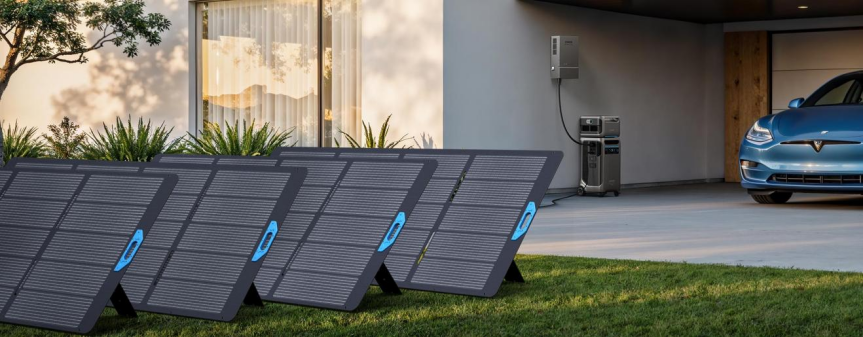
How Do Solar Panels Work Together?
Using multiple solar panels involves strategic connection methods that affect the overall voltage and current produced. Two primary configurations, parallel and series connections, dictate how electrical output is optimized.
Parallel Connections Drive More Current
Connecting solar panels in parallel increases current while keeping voltage constant, making it ideal for charging systems that need higher current. In this setup, all positive terminals connect together, and all negative terminals connect together. This allows more current to reach the solar generator, speeding up charging and supporting devices with high current demands. Products like the Anker SOLIX F3800 Plus benefit from fully using its ability to handle up to 3,200W efficiently. Parallel wiring also adds redundancy—if one panel is shaded or fails, others keep working.
Series Connections Increase Voltage
Series connections increase the total voltage of a solar array while keeping the current the same. By connecting the positive terminal of one panel to the negative of another, each panel’s voltage adds together. This setup suits systems that require higher voltage for efficient operation. Higher voltage also reduces energy loss over long cable distances, making it ideal for larger installations. With generators like the Anker SOLIX F3800 Plus, series wiring helps reach the required voltage faster, improving charging speed and overall performance, especially when panels receive consistent, uniform sunlight.
Real-World Benefits of Multiple Panels
Linking multiple panels enhances a solar generator’s capability to produce more energy consistently and effectively.
Faster Energy Production for Batteries
Using multiple solar panels captures energy faster and greatly reduces battery charging time. When solar generators use panel arrays, they receive strong energy input that quickly restores depleted storage and keeps batteries ready. This is ideal for critical uses where downtime is costly or inconvenient. With more power flowing into the generator, batteries reach full charge sooner, helping systems run with minimal interruptions. Multi-panel setups also support higher-power devices and longer use, meeting energy needs more reliably than single-panel systems.
Better Performance in Variable Weather
Using multiple solar panels improves performance in changing weather. When sunlight drops due to clouds or shading, a single panel may not generate enough power. But with several panels working together, the system can offset temporary light loss and keep output steadier. Parallel connections add redundancy, so if one panel is shaded, others still produce energy. For example, on partly cloudy days, systems like the Anker SOLIX F3800 Plus benefit from multiple panels, delivering more consistent power generation. This adaptability helps ensure a reliable power supply despite unpredictable conditions.
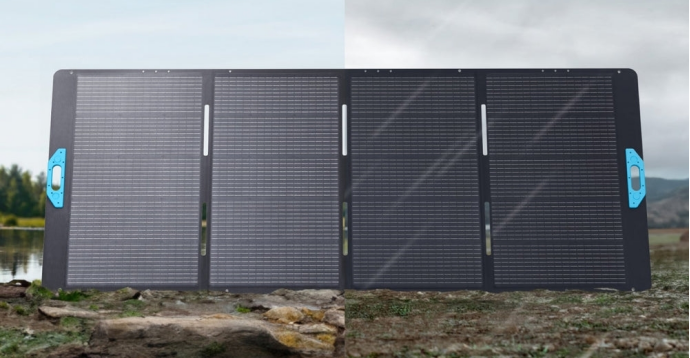
Tips to Optimize Multi-Panel Charging
To maximize the benefits of using multiple solar panels, optimizing their operation is essential. Whether through matching panel specifications, using an appropriate charge controller, or ensuring optimal placement, each factor plays a critical role.
Match Panel Specs for Best Output
When using multiple solar panels, it’s important that they share similar specifications. Panels with different voltages or wattages can create inefficiencies, since the weakest panel may limit overall output. Matching voltages—like those in high-efficiency options —helps each panel contribute evenly, reducing energy loss. Using the same make and model also keeps performance consistent and lowers the risk of imbalance-related failures. This uniformity supports smoother operation, better energy conversion, and safer parallel or series connections without overloading components.
Use the Right Charge Controller
A charge controller regulates energy flow from solar panels to batteries, preventing overcharging and improving efficiency. When using multiple panels, choose a controller that can handle higher input levels. MPPT (Maximum Power Point Tracking) controllers are ideal because they maximize energy harvest, even from high-output systems. A suitable controller adjusts to changes in sunlight and panel performance, optimizing stored energy and extending battery life. By maintaining proper charge levels and avoiding overvoltage, a reliable charge controller ensures your solar powered generator runs safely and efficiently.
Position Panels to Maximize Sunlight
Properly positioning solar panels is essential for maximizing energy capture. Panels should receive as much sunlight as possible throughout the day to boost efficiency. Aim them toward the sun’s path and reduce shading from trees, buildings, or other obstacles. For example, setting panels at an angle suited to your location and season improves exposure. Regular cleaning removes dust and debris that can reduce performance. Adjusting the tilt for seasonal sun angle changes also helps maintain consistent output year-round.
Conclusion
Using multiple solar panels enhances your solar generator’s efficiency and charging speed significantly. By understanding how panels can be connected and optimized, you can maximize energy production and ensure a reliable power supply. Systems like the Anker SOLIX F3800 Plus demonstrate the impact of high-efficiency setups, highlighting how strategic connections and optimal configurations can reduce charging times and boost energy output. Whether you aim to meet increased power needs or ensure functionality in variable climates, employing multiple panels offers substantial benefits. By following optimization tips, such as matching panel specifications and utilizing the right charging equipment, you ensure that your solar generator system remains efficient, reliable, and ready to harness the power of the sun.