

 By
By Proper maintenance plays a major role in how long a portable power station continues to perform safely and efficiently. These devices often support daily convenience, emergency preparedness, travel, and outdoor work, so reliability matters. While modern battery systems are built for durability, small everyday habits still have a big impact on long-term performance. Understanding how charging, storage, cleaning, and usage affect internal components helps prevent premature wear. Maintenance does not require technical expertise, only consistent attention to simple details. In this article, practical steps are explained to help extend the lifespan of a power station in real-life situations.

1. Charge Correctly
Stop charging when full
Leaving a power station plugged in continuously after reaching 100 percent may gradually stress the battery over time. Most modern systems include protection circuits, but minimizing unnecessary full-charge duration still supports healthier battery chemistry. Disconnecting once charging is complete reduces heat buildup, which is one of the main factors in battery aging. This habit is especially helpful during everyday home use when the unit is charged frequently. Watching charge levels in watts units on the display can also help identify when the system has stabilized. Consistent charging discipline adds months or even years to overall battery life.
Recharge before battery is completely empty
Allowing a battery to drain to zero repeatedly can shorten its usable lifespan. Lithium-based batteries prefer partial discharge cycles rather than deep depletion. Recharging when the level drops to around 20 percent helps maintain internal cell balance. This is particularly important during camping trips or outages when power usage may be heavier than usual. Planning recharge timing prevents sudden shutdowns that could interrupt essential devices. Balanced charging patterns keep performance stable over time.
2. Store Properly
Keep partially charged (50–80%)
Long-term storage at either a very high or very low charge level can stress battery cells. A mid-range charge between 50 and 80 percent helps maintain chemical stability. This range reduces internal strain and slows capacity loss while the unit is not in use. Checking charge levels every few months ensures they do not drift too low. Occasional top-ups during storage help preserve readiness for emergencies. Proper storage charge habits significantly extend service life.
Store in cool, dry place
Heat and moisture are two of the biggest threats to electronic equipment. Storing a power station in a shaded indoor space protects sensitive battery and circuit components. Garages or closets with moderate temperatures work better than sheds or car trunks. Excess humidity can corrode ports and internal connectors over time. Keeping the environment dry also prevents dust buildup inside vents. A stable storage location supports long-term reliability.
3. Keep It Clean
Wipe down with dry cloth
Dust accumulation can block ventilation openings and cause the system to run warmer. Regularly wiping the exterior with a soft, dry cloth keeps surfaces clean without introducing moisture. Clean vents allow heat to dissipate properly during charging and discharging. This is especially important in workshops or outdoor environments where dirt is common. Avoid using harsh chemicals that might damage finishes or seals. Simple cleaning routines help maintain safe operating temperatures.
Cover ports when not in use
Open ports can collect dust, sand, or debris that interferes with electrical connections. Covering them when not in use prevents buildup and reduces wear. Port covers are particularly useful during travel or storage in bags and vehicles. Clean connectors ensure stable power flow and reduce resistance heat. Inspecting ports occasionally helps spot issues early. Protected interfaces contribute to longer system lifespan.
4. Use Safely
Don’t exceed power limits
Every power station has a maximum output rating that should not be exceeded. Running devices that draw more than the system’s capacity can trigger shutdowns or stress internal components. Checking appliance requirements in watts units before connecting them helps avoid overloads. High-demand tools and heaters should be evaluated carefully. Staying within rated limits ensures stable voltage and safer operation. Responsible usage protects both the power station and connected devices.
Avoid drops and water exposure
Physical impacts can damage internal cells, wiring, or circuit boards. Even if external casing appears intact, internal damage may reduce performance later. Keeping the unit on stable surfaces prevents accidental falls. Water exposure can cause corrosion or short circuits, even if the system still turns on afterward. Using protective covers outdoors adds an extra layer of safety. Careful handling extends both safety and lifespan.
5. Check Regularly
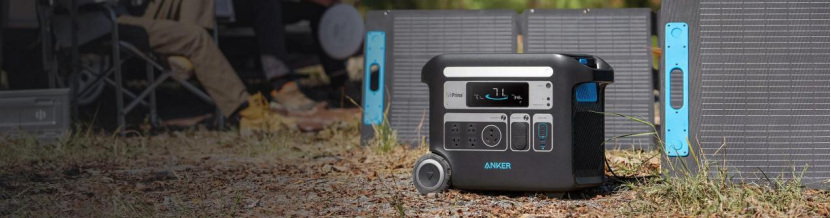
Regular inspections help catch small issues before they turn into major failures. Check cables, ports, and the display to ensure everything is working properly. If performance drops noticeably or the unit has been in use for several years, upgrading to a newer model with better battery technology and monitoring features can be a practical move. Consider modern power stations like the Anker SOLIX F2000, which are engineered for longer cycle life and more stable output. Be sure to keep cooling vents clear, connections secure, and monitor charging and discharging patterns to detect any irregularities early. Staying consistent with these checks will help keep your system reliable when you need power most.
Conclusion
Maintaining a portable power station does not require technical skills, only consistent and mindful habits. Proper charging routines, safe storage, and routine cleaning all help protect internal battery health. Avoiding overloads and physical damage further reduces long-term wear. Regular inspections ensure the system continues operating safely and efficiently. When cared for properly, a power station can remain reliable for many years of daily use and emergency backup support. Simple maintenance steps ultimately provide better performance, greater safety, and longer overall lifespan.