

 By
By Introduction
Fitbit’s innovative approach to wearable technology has taken personal health and fitness monitoring to new heights. Central to this advancement is the integration of the O2 sensor in many of Fitbit’s latest models. This sensor is pivotal in providing valuable insights into your blood oxygen levels, a crucial factor for understanding your overall well-being and enhancing your fitness journey. In this article, we explore the benefits of Fitbit’s O2 sensor, provide comparisons of current models, and offer guidance on how to harness this technology for your health objectives.
Understanding the Fitbit O2 Sensor Technology
The O2 sensor, or SpO2 sensor, plays a critical role in Fitbit’s health monitoring capabilities. It measures the percentage of oxygen saturation in your bloodstream, reflecting how efficiently your respiratory and circulatory systems are functioning. Understanding the mechanics of the O2 sensor is essential for maximizing its potential.
Using an LED light that penetrates the skin, the sensor detects light reflected back from the blood vessels. This process is how the sensor calculates the oxygen saturation levels in real-time, providing essential health indicators during workouts or while sleeping. With this data, users gain clearer insights into their oxygen levels, enabling better health assessment and decision-making.
Benefits of Fitbits with O2 Sensors
Incorporating an O2 sensor into Fitbit models brings numerous health and fitness benefits:
1. Health Insights: Continuous monitoring of blood oxygen levels can help identify potential health issues, such as sleep apnea or other respiratory concerns. Early detection allows for earlier interventions and improved health management.
2. Enhanced Workout Performance: Measuring oxygen consumption during exercise provides insights into your body’s efficiency. By understanding these metrics, you can tailor your workouts to improve stamina and physical performance.
3. Sleep Analysis: The O2 sensor helps track variations in blood oxygen levels during sleep. By analyzing this data, users can identify and address factors affecting sleep quality, contributing to improved rest and recovery.
These benefits are not only applicable to fitness enthusiasts but extend to anyone keen on maintaining their health proactively.
Comparing Current Fitbit Models with O2 Sensors
With several Fitbit models now featuring O2 sensors as of 2024, selecting the right one can enhance your health journey significantly. Here are some of the standout models:
- Fitbit Charge 5: This model is known for its sleek design and robust health tracking capabilities, including ECG features alongside the O2 sensor.
- Fitbit Sense 2: Offers advanced health metrics, making it ideal for those seeking comprehensive health analytics.
- Fitbit Versa 4: Combines fitness and health tracking with a focus on user-friendliness, providing a balanced approach for all-day wearability.
Each model offers unique benefits tailored to specific health monitoring needs, allowing you to select based on personal preferences and lifestyle.
Integrating and Analyzing Data with Fitbit’s Ecosystem
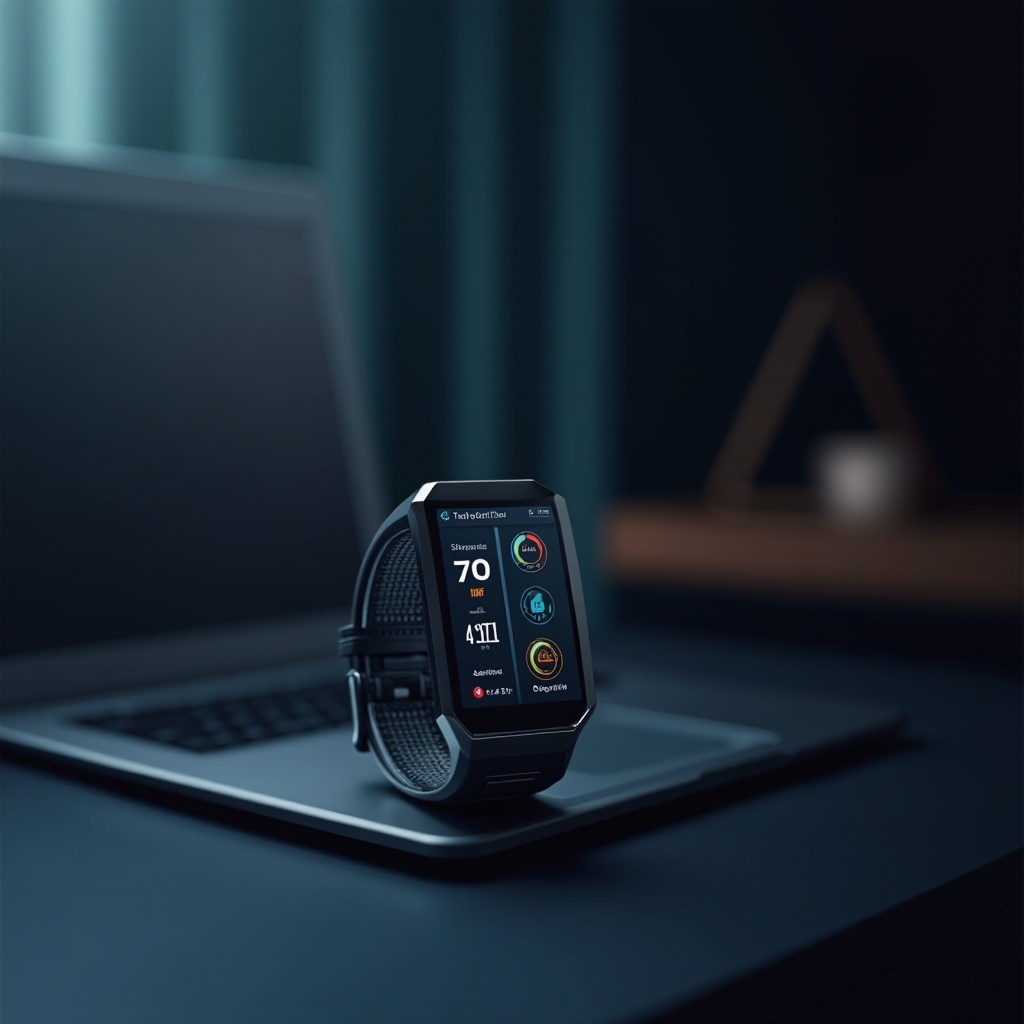
A key advantage of Fitbit devices is how seamlessly they integrate data with the Fitbit app, creating an ecosystem that enriches your health insights. Once your device collects O2 data, it syncs with the app to present it on a user-friendly dashboard.
The Fitbit app allows users to track health trends over time, set personalized goals, and share relevant data with healthcare providers. The real-time ‘Today’ dashboard displays comprehensive metrics, including O2 levels, enabling users to quickly identify changes and adapt accordingly. This integration helps users make informed decisions about their health and fitness.
Real-Life Applications and User Feedback
The O2 sensor technology has received positive feedback from users who have successfully improved their health through Fitbit devices. Athletes use the precise oxygen level readings to optimize training and enhance overall performance. Similarly, individuals with chronic respiratory conditions find the data invaluable for effective health management.
Testimonials highlight how the combination of consistent monitoring and user-specific insights has made a tangible difference in everyday health routines. From enhancing sleep quality to boosting workout efficiency, the versatility of the O2 sensor is praised across various fitness levels and health concerns.
Conclusion
In summary, the integration of the O2 sensor in Fitbit devices positions it at the forefront of wearable health technology. The ability to monitor oxygen levels continuously, coupled with comprehensive data analysis, empowers users to better manage their health. As the demand for personalized health data grows, Fitbit remains committed to innovation, helping users make more informed decisions about their well-being. Embracing this technology not only supports physical performance but contributes to overall health improvement, offering peace of mind in today’s fast-paced world.
Frequently Asked Questions
How accurate is the Fitbit O2 sensor in tracking SpO2 levels?
Fitbit’s O2 sensor is known for its reliability, providing real-time data through advanced LED technology. However, it is not a replacement for professional medical evaluation.
Which Fitbit models in 2024 come with an O2 sensor?
The Fitbit Charge 5, Fitbit Sense 2, and Fitbit Versa 4 are some of the models equipped with O2 sensors, offering different levels of health tracking capabilities.
Can the Fitbit O2 sensor assist with diagnosing medical conditions?
While the O2 sensor provides valuable insights, it should not be used for diagnosis. Always consult healthcare professionals for medical advice and diagnosis.